Core Components of Digital Marketing:
- Search Engine Optimization (SEO).
- Importance of SEO.
- On-Page vs. Off-Page SEO.
- Content Marketing.
- Types of Content.
- Role of Blogs, Videos, and Infographics.
- Social Media Marketing (SMM)
- Popular Social Media Platforms.
- Social Media Strategies for Engagement.
- Email Marketing.
- Building and Managing Email Lists.
- Email Campaign Best Practices.
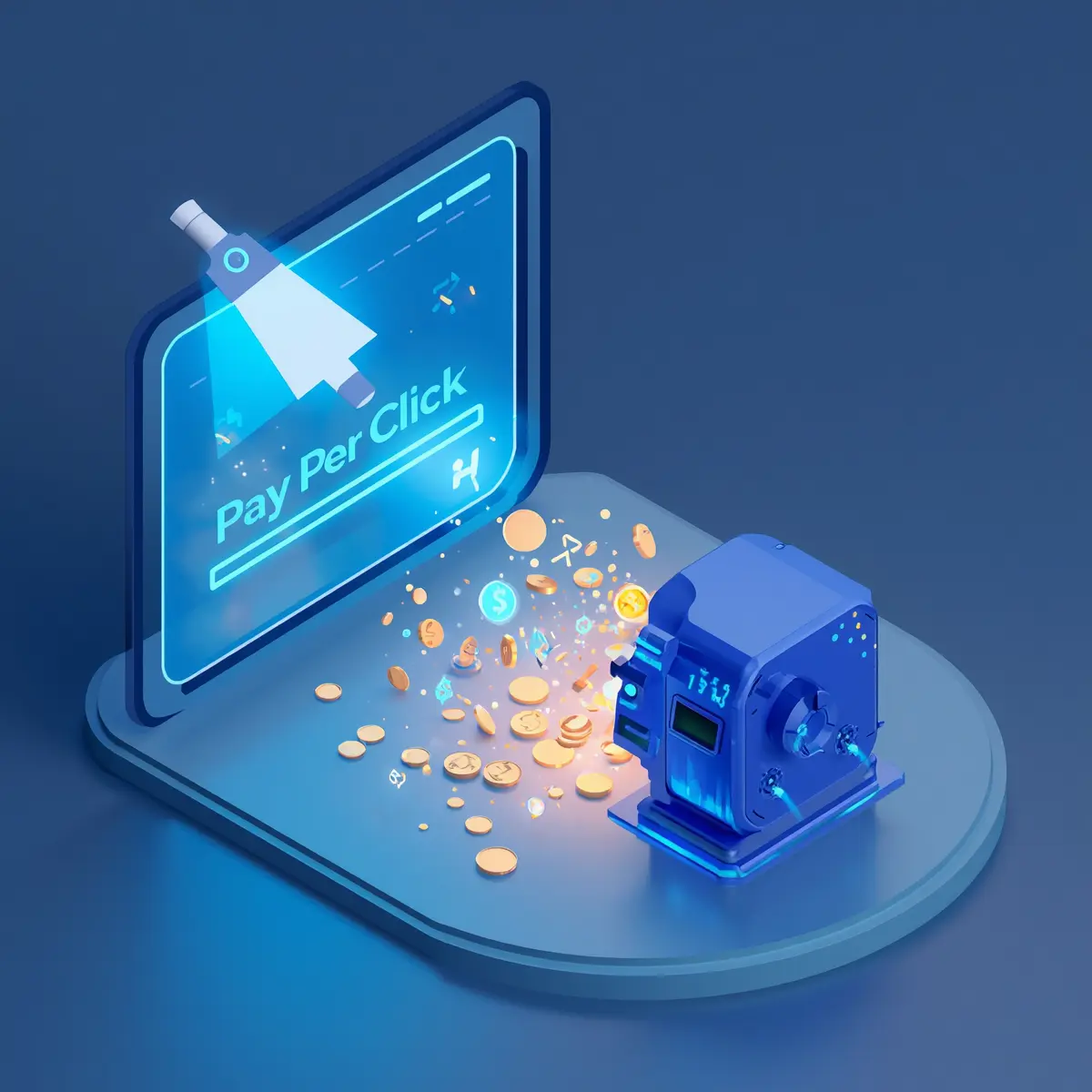
- Pay-Per-Click (PPC) Advertising.
- How PPC Works.
- Benefits of PPC Advertising.
Challenges
- Adapting to Constantly Evolving Technologies
- Competition in the Digital Space
- Privacy and Security Concerns
Future of Digital Marketing
- The Role of Artificial Intelligence (AI) and Machine Learning.
- Growing Importance of Voice Search and Visual Search.
- Sustainability and Ethical Marketing.
How to Get Started with it
- Learning the Basics
- Tools and Platforms to Use
- Building a Career in Digital Marketing
What is Digital Marketing?
Introduction
Definition:
Digital marketing refers to the use of online platforms and digital technologies to promote products, services, or brands. It encompasses various strategies such as SEO, content marketing, social media marketing, email campaigns, and paid advertising to connect with potential customers in the digital space.
Why Digital Marketing Matters in 2026
The way people discover, research, and buy products has fundamentally changed. Consider these realities:
- Over 5.4 billion people worldwide use the internet daily
- 93% of online experiences begin with a search engine
- Consumers check an average of 10.4 sources before making a purchase decision
- Mobile devices account for more than 60% of all web traffic globally
- In Pakistan, internet users crossed 130 million in 2025, with social media usage growing at 12% annually
For businesses, this shift means that your customers are already online, actively searching for solutions, reading reviews, and comparing options. Digital marketing allows you to show up at exactly the right moment — when a potential customer is looking for what you offer.
Evolution of Digital Marketing
From Traditional to Digital: A Paradigm Shift
Gone are the days when print ads, billboards, and TV commercials dominated the marketing scene. The shift to digital channels has transformed how businesses communicate with their audiences, offering a more personalized and data-driven approach.
Key Milestones in Digital Marketing History
From the launch of the first search engine to the rise of social media platforms, digital marketing has evolved dramatically. The introduction of tools like Google Analytics and advancements in AI further revolutionized the field.
Core Components of Digital Marketing
Digital marketing is not a single tactic. It is an ecosystem of interconnected channels and strategies, each serving a different purpose in the customer journey. Here are the most important components:
1. Search Engine Optimization (SEO)
SEO is all about optimizing your website to rank higher on search engine results pages (SERPs).
SEO has main three category:
- On-Page SEO: Optimizing the content and HTML elements of individual pages — including title tags, meta descriptions, headings, keyword usage, internal linking, and image alt text.
- Off-Page SEO: Building your website’s authority through backlinks from other reputable websites, social signals, and brand mentions across the web.
- Technical SEO: Ensuring your website’s underlying structure is crawlable and indexable by search engines — including site speed, mobile-friendliness, secure HTTPS connections, proper robots.txt configuration, and structured data markup.
SEO is a long-term investment. Results typically take 3 to 6 months to materialise, but once established, organic traffic is essentially free and compounds over time. A well-ranked page can generate consistent leads and sales for years without ongoing ad spend.
Importance of SEO
It drives organic traffic, improves website credibility, and enhances user experience.
On-Page vs. Off-Page SEO
On-page SEO focuses on elements like keywords, meta tags, and content, while off-page SEO involves backlinking and social signals.
Content Marketing
Content is king, and a strong content marketing strategy can captivate your audience.
Types of Content
This includes blogs, videos, infographics, podcasts, and e-books.
Role of Blogs, Videos, and Infographics
High-quality blogs provide valuable information, videos drive engagement, and infographics simplify complex ideas.
Social Media Marketing (SMM)
Social media platforms are essential for building brand presence.
Popular Social Media Platforms
Facebook, Instagram, Twitter, LinkedIn, and TikTok lead the way.
Social Media Strategies for Engagement
Interactive posts, regular updates, and responding to comments foster a loyal community.
Email Marketing
Email campaigns are highly targeted and yield impressive ROI.
Building and Managing Email Lists
Collect emails through signup forms and segment them for personalized communication.
Email Campaign Best Practices
Craft catchy subject lines, include a clear call-to-action (CTA), and ensure mobile-friendliness.
Pay-Per-Click (PPC) Advertising
PPC involves paying for ad placements to drive immediate traffic.
How PPC Works
Advertisers bid on keywords, and their ads appear on SERPs based on relevance.
What is the benefits of PPC Advertising?
It offers quick results, precise targeting, and measurable outcomes.
What are its Benefits?
- Global Reach
- Cost-Effectiveness
- Measurable Results
- Improved Customer Engagement
2. Content Marketing
Content marketing involves creating and distributing valuable, relevant content to attract and retain a clearly defined audience. The goal is not to directly sell — it is to educate, inform, and build trust so that when the audience is ready to buy, they choose you.
Effective content marketing takes many forms:
- Blog posts and articles that answer questions your target audience is searching for
- Video content on YouTube or social media explaining how to solve specific problems
- Infographics that simplify complex data or processes
- Case studies showcasing real results you have achieved for clients
- E-books and guides that provide deep value and generate leads
- Podcasts that build a loyal audience over time
Content marketing and SEO work hand in hand. Well-written content that targets specific keywords ranks in search engines and drives organic traffic, while SEO provides the framework for ensuring that content is discoverable. Together, they form the foundation of sustainable digital marketing.
3. Social Media Marketing (SMM)
Social media marketing uses platforms like Facebook, Instagram, LinkedIn, TikTok, YouTube, and Twitter/X to build brand awareness, engage with audiences, and drive traffic and sales. With over 5 billion social media users worldwide as of 2026, no business can afford to ignore these platforms.
Effective social media marketing involves more than posting content regularly. It requires:
- Understanding which platforms your target audience actually uses
- Creating platform-specific content (short Reels for Instagram, long-form posts for LinkedIn)
- Engaging with comments, messages, and mentions consistently
- Running targeted paid social campaigns to reach new audiences
- Analysing performance metrics and adjusting your strategy accordingly
For businesses in Pakistan and the Middle East, Facebook and Instagram remain dominant platforms, while LinkedIn is increasingly important for B2B companies. TikTok has seen explosive growth among younger demographics and is becoming a powerful e-commerce and discovery platform.
4. Email Marketing
Despite being one of the oldest forms of digital marketing, email remains the highest-ROI channel available. Research consistently shows that email marketing delivers an average return of $36 for every $1 spent — significantly outperforming social media and paid advertising in terms of direct revenue generation.
Building a quality email list is the foundation. This means collecting email addresses through opt-in forms, lead magnets (free guides, templates, or tools offered in exchange for an email address), and checkout processes. A purchased email list is never a good idea — it results in low engagement and can damage your sender reputation.
Effective email campaigns include:
- Welcome sequences that introduce new subscribers to your brand
- Educational newsletters that provide ongoing value
- Promotional campaigns tied to product launches or seasonal offers
- Re-engagement sequences for inactive subscribers
- Automated abandoned cart emails for e-commerce businesses
5. Pay-Per-Click (PPC) Advertising
PPC advertising allows businesses to display ads on search engines and other platforms, paying only when a user clicks on the ad. Google Ads is the most widely used PPC platform, allowing you to bid on specific keywords so your ad appears at the top of search results when someone searches for those terms.
The key advantage of PPC over SEO is speed. While SEO takes months to generate results, a well-configured PPC campaign can drive targeted traffic within hours of launch. This makes PPC particularly valuable for:
- New businesses that need immediate visibility while waiting for SEO to take effect
- Time-sensitive promotions and product launches
- Testing which keywords and messaging convert best before investing in SEO
- Targeting highly competitive keywords that are difficult to rank for organically
The main disadvantage is that traffic stops the moment you stop paying. This is why the most effective digital marketing strategies combine PPC for short-term results with SEO and content marketing for long-term, sustainable growth.
Digital Marketing Channels Compared
Here is a side-by-side comparison of the five main digital marketing channels to help you decide where to focus your efforts:
| Channel | Cost | Speed | Longevity | Best For | Difficulty |
| SEO | Low/Medium | Slow (3–6 mo) | Very High | Long-term traffic | Medium |
| Content Marketing | Low/Medium | Slow (6+ mo) | Very High | Trust building | Medium |
| Social Media | Low–High | Fast | Medium | Brand awareness | Low |
| Email Marketing | Low | Fast | High | Conversions & retention | Low |
| PPC Advertising | High | Immediate | Low | Quick leads | Medium/High |
Key Benefits of Digital Marketing
Global Reach at Low Cost
Traditional marketing is constrained by geography and budget. A TV commercial in Pakistan costs hundreds of thousands of rupees and reaches only a local audience. A well-optimised blog post or social media campaign can reach potential customers in the UK, USA, UAE, and Australia simultaneously — at a fraction of the cost.
Precise Audience Targeting
Digital marketing allows you to target your ideal customer with extraordinary precision. Facebook Ads, for example, lets you target users based on age, location, interests, behaviours, job title, income level, and even past purchase history. Google Ads lets you reach people who are actively searching for exactly what you sell. This precision eliminates wasted ad spend and dramatically improves conversion rates.
Measurable, Data-Driven Results
Every digital marketing activity generates data. You can see exactly how many people visited your website, where they came from, which pages they read, how long they stayed, and whether they converted into leads or customers. Tools like Google Analytics 4, Google Search Console, Meta Business Suite, and Hotjar give you complete visibility into what is working and what is not — allowing you to continuously improve your results.
Cost-Effectiveness for Small Businesses
You do not need a large budget to get started with digital marketing. A business with PKR 10,000 per month can run targeted Facebook ads, publish SEO-optimised blog posts, and grow an email list — activities that would cost 100x more through traditional channels. This levels the playing field, allowing small businesses to compete with larger competitors.
Common Challenges in Digital Marketing
Digital marketing is powerful, but it is not without its challenges. Understanding these ahead of time helps you prepare:
- Rapidly changing algorithms: Google updates its search algorithm hundreds of times per year. What worked 12 months ago may no longer be effective. Staying current requires ongoing learning and adaptation.
- Intense competition: Virtually every business now has an online presence. Standing out requires consistently high-quality content, strong SEO, and a clearly differentiated value proposition.
- Content saturation: Over 7 million blog posts are published every day. Getting your content noticed requires a strategic approach focused on quality, originality, and targeted keyword research.
- Privacy regulations: GDPR in Europe and similar regulations globally are tightening the rules around data collection and email marketing. Businesses must ensure their practices are compliant.
- Ad fatigue: Consumers are exposed to thousands of ads daily. Creating ad creative that cuts through the noise and drives genuine engagement is increasingly difficult.
The Future of Digital Marketing in 2026 and Beyond
Several major trends are reshaping digital marketing right now:
Artificial Intelligence and Automation
AI tools are transforming how marketers create content, analyse data, run ads, and personalise customer experiences. Tools like Claude, ChatGPT, Jasper, and Midjourney are helping businesses produce content faster, while AI-powered ad platforms automatically optimise campaigns in real time. Marketers who learn to use AI tools effectively will have a significant competitive advantage.
Voice Search and Conversational AI
With the rise of smart speakers and AI assistants, an increasing number of searches are being conducted through voice. Voice searches tend to be longer and more conversational than typed queries. Optimising content for voice search — using natural language, question-based headings, and featured snippet targeting — is becoming an important SEO strategy.
Video Dominance
Video content continues to dominate engagement across all platforms. Short-form video (Instagram Reels, TikTok, YouTube Shorts) is the fastest-growing content format, while long-form video remains important for education and product demonstrations. Businesses that invest in video production now are building a significant competitive moat.
Privacy-First Marketing
As third-party cookies are phased out and privacy regulations tighten, digital marketers must shift toward first-party data strategies. This means building email lists, creating logged-in user experiences, and investing in owned channels rather than relying on third-party data from platforms.
How to Get Started with Digital Marketing
If you are new to digital marketing, here is a practical starting path:
- Step 1: Define your goals. Do you want to generate leads, sell products, build brand awareness, or grow an email list? Your goals will determine which channels to prioritise.
- Step 2: Identify your target audience. Who are they? Where do they spend time online? What problems are they trying to solve? Create a detailed customer persona.
- Step 3: Build or optimise your website. Your website is the hub of all your digital marketing activity. Ensure it is fast, mobile-friendly, secure, and optimised for search engines.
- Step 4: Start with SEO and content. Create high-quality content that answers the questions your target audience is searching for. This builds a sustainable foundation for long-term organic growth.
- Step 5: Choose one or two social media platforms. Do not try to be everywhere at once. Focus on the platforms where your audience is most active and master them before expanding.
- Step 6: Build an email list from day one. An email list is an asset you own — unlike social media followers, which are controlled by the platform. Start collecting emails through your website immediately.
- Step 7: Track and measure everything. Set up Google Analytics 4 and Google Search Console on your website. Review your data weekly and use it to inform your decisions.
Frequently Asked Questions (FAQs)
What is the difference between digital marketing and social media marketing?
Digital marketing is the broad umbrella term that covers all online marketing activities, including SEO, content marketing, email, PPC, and social media. Social media marketing is one specific channel within digital marketing that focuses on building brand presence and driving engagement through platforms like Facebook, Instagram, LinkedIn, and TikTok.
How much does digital marketing cost for a small business?
Digital marketing can be as affordable or as expensive as your budget allows. A small business can start with as little as PKR 10,000 to 30,000 per month ($35–$100 USD) by focusing on content creation and SEO. Paid advertising campaigns on Google or Facebook can be started with any budget, though more competitive industries typically require larger spends to generate meaningful results.
How long does it take to see results from digital marketing?
This depends on the channel. PPC advertising can generate traffic and leads within 24 to 48 hours. Social media can build engagement within weeks. SEO and content marketing typically take 3 to 6 months to produce meaningful results, but those results are far more sustainable and cost-effective in the long run.
Is digital marketing suitable for businesses in Pakistan?
Absolutely. With over 130 million internet users and rapidly growing e-commerce and social media adoption, Pakistan offers enormous opportunity for businesses that invest in digital marketing. Local SEO, Facebook and Instagram advertising, and WhatsApp-based marketing are particularly effective strategies for Pakistani businesses targeting both local and international customers.
What skills are needed to become a digital marketer?
Core skills include SEO fundamentals, content writing, data analysis (Google Analytics), social media management, basic graphic design, email marketing, and an understanding of paid advertising platforms. Equally important are soft skills like creativity, analytical thinking, and the ability to adapt quickly to new tools and trends. Many successful digital marketers are self-taught using free resources available online.
Can I do digital marketing myself or should I hire an agency?
Many small businesses start by doing digital marketing themselves to keep costs low. This works well if you are willing to invest time in learning and executing. As your business grows and the complexity of your marketing increases, working with a specialist agency can dramatically accelerate your results. The ideal approach is to understand the fundamentals yourself so you can make informed decisions, then bring in specialists for execution.
About the Author
Mehmood Sajjad is an SEO and digital marketing specialist at Marketing Glob Hub, helping businesses across Pakistan, the Middle East, UK, and Europe grow their online presence through proven content strategy, technical SEO, and affiliate marketing. With hands-on experience growing websites from zero to significant organic traffic, Mehmood brings practical, results-driven insights to every piece of content on this site.
FAQs
- What are the main types of Online Advertising?
SEO, content marketing, social media marketing, email marketing, and PPC. - How does SEO impact digital marketing success?
It boosts visibility and drives organic traffic, forming the backbone of any digital strategy. - What skills are needed for a career in digital marketing?
Analytical thinking, creativity, communication skills, and proficiency in digital tools. - Is digital marketing suitable for small businesses?
Absolutely! It’s cost-effective and scalable, perfect for businesses of any size. - How can I measure the effectiveness of my digital marketing campaigns?
Use tools like Google Analytics, track KPIs, and assess ROI regularly.
Conclusion
Digital marketing is no longer optional for businesses that want to grow. It is the single most effective way to reach your target audience, build brand credibility, generate leads, and drive revenue — regardless of your industry, location, or budget.
Whether you are a solo entrepreneur in Abbottabad, a startup in Karachi, or an established business looking to expand internationally, the principles of digital marketing remain the same: understand your audience, create genuine value, show up consistently across the right channels, and measure everything you do.
The best time to start was yesterday. The second best time is today.